This is one of those market updates that actually matters. If you are in the market, thinking about getting into the market, or know someone who is, do them a favor and send this to them.
Buyers Finally Have Leverage, but It May Not Last
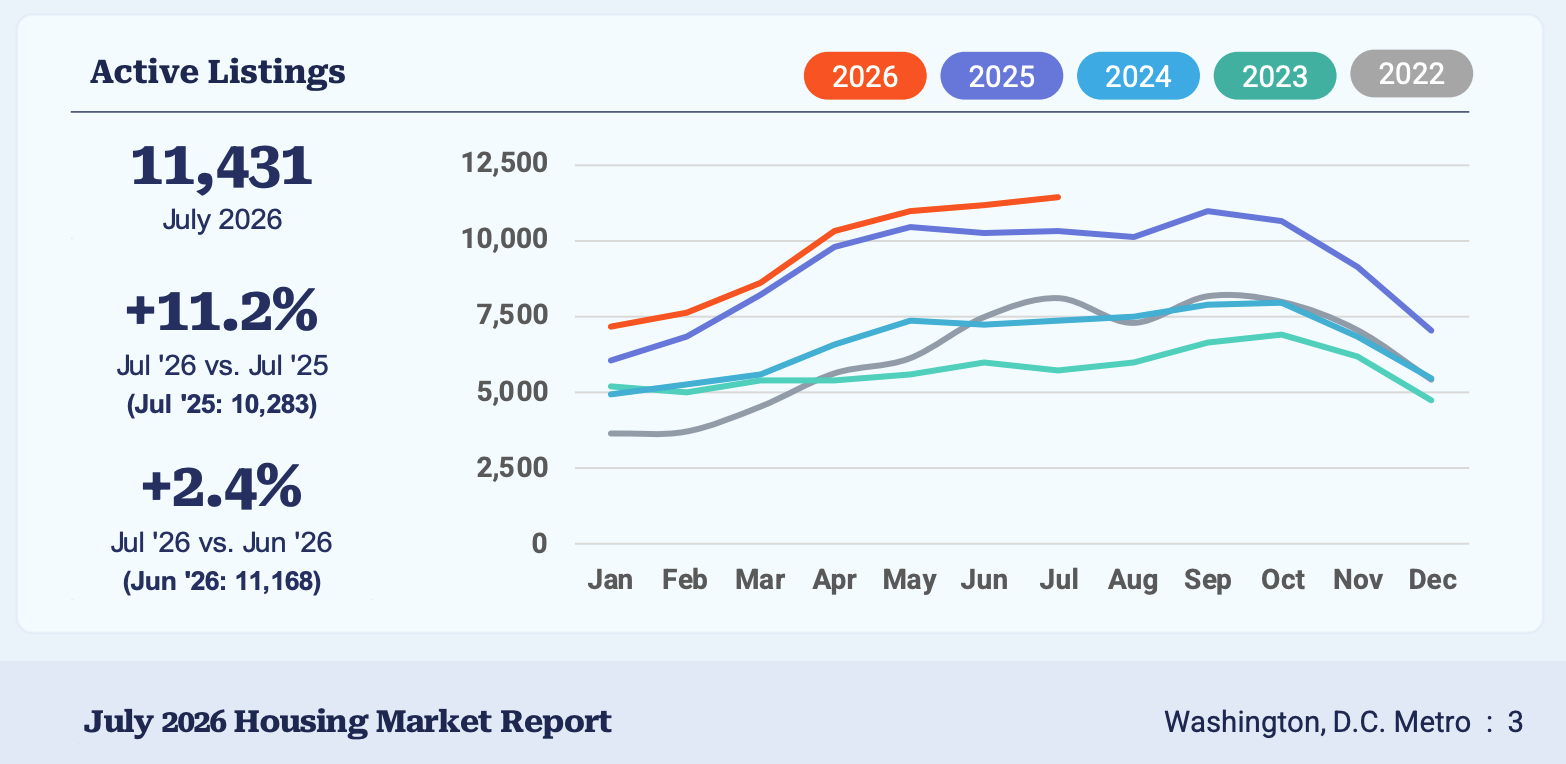
Something is happening right now. Inventory is surging, largely because homes are not selling rather than because significantly more new listings are coming on the market. Fewer homes are going under contract, price reductions are widespread, and mortgage rates remain stubbornly high. Together, these conditions are beginning to favor buyers.
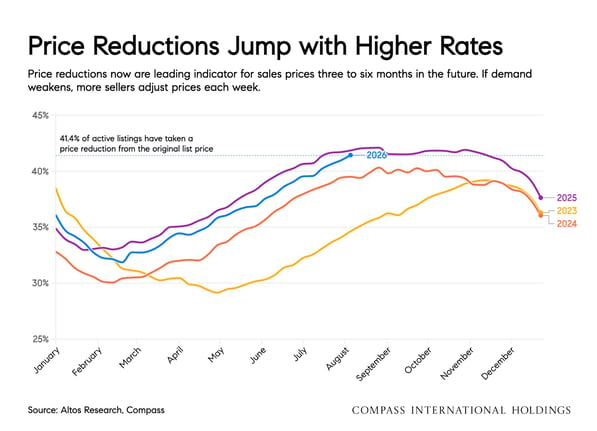
The headlines are starting to catch up. Inventory across the broader D.C. market, including Northern Virginia, Washington, D.C., and parts of Maryland, is at its highest level since 2019 and up 11 percent from last year, although it remains below historical pre-COVID averages. Forty-one percent of active listings have had at least one price reduction, the highest percentage since the market correction in 2022.
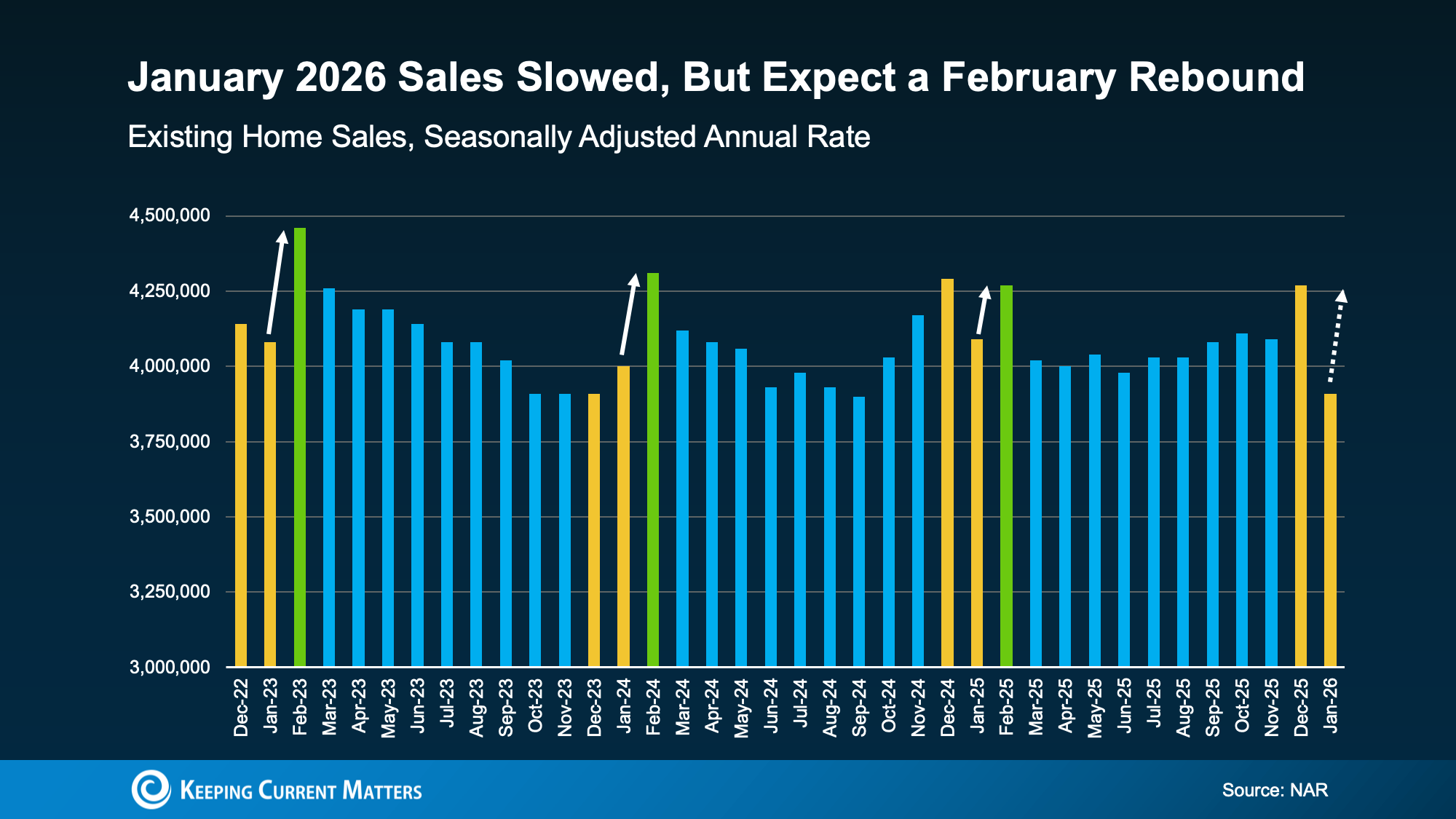
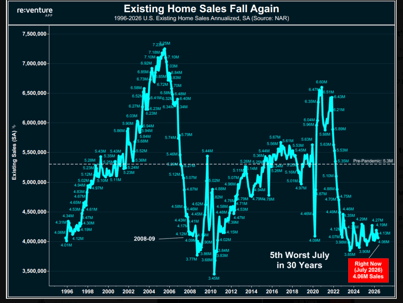
July is typically one of the busiest months of the year, yet sales volume fell nearly 12 percent from June, making this the fifth-slowest July on record. Prices have remained relatively stable, largely because there are not enough sellers willing to accept what today’s buyers are prepared to pay. That makes it easy to assume the market has not changed very much. What I am seeing on the ground tells a different story: a buyers’ market is beginning to take shape, and it happened quickly.
Closed-sale prices are a lagging indicator. They reflect contracts negotiated 30 to 60 days earlier. The first signs of a changing market appear inside current negotiations: offer deadlines that fail to produce compelling offers, buyers keeping their contingencies, sellers offering concessions, and homes going under contract below asking price.
Ironically, just last month I noted that not much had changed and that posting weekly market updates was beginning to feel repetitive. This month is the opposite of that.
What We Are Seeing on the Ground
Between our transaction volume, my relationships with brokers and owners, and the hundreds of local agents I follow, I can usually see changes in market behavior before they fully appear in the published data. Lately, the “Just Sold” and “Multiple Offers” posts that flood social media when times are good have been replaced by “Buyer Market Alerts” and a growing number of “Price Repositioning” announcements.
We are seeing the shift in our own transactions as well. Over the past few weeks, we ratified contracts for four buyers in some of Northern Virginia’s most desirable neighborhoods and school districts, on properties that would typically command price premiums or attract multiple offers.
These buyers did not necessarily get screaming deals. In some cases, they still paid above asking. But the signs of a shift were clear, and we noticed them. In one transaction, we went under contract for 10 percent less than the seller had paid in 2022. Offer deadlines came and went without compelling offers, our buyers kept their contingencies, and we negotiated with little concern that our offers would be leveraged against us. Most telling of all, each of the four buyers secured a property with their very first offer. That is a major change in these traditionally seller-friendly areas.
The Headlines Are Only Beginning to Catch Up
Several local title companies publish weekly summaries of the new contracts they receive. These reports provide an early look at market conditions well before the transactions settle and become part of the official sales data. The most recent report from one title company showed that 59 percent of its transactions went under contract below asking price, with an average total commission of 5.3 percent. The reports also show sellers offering more concessions and higher commissions to get deals done.
It will be October or November before the data above makes it onto the front page of the WSJ and appear in the published data and the market may have already moved again. That is why current negotiations often tell us more about where the market is heading than last month’s closed-sale prices.
A Buyers’ Market Begins When Sellers Lose Leverage
So how does that happen? Something I regularly explain to sellers is that competition changes people’s behavior. Multiple offers and the fear of losing can cause buyers to act irrationally. That is how we end up with a supercharged sellers’ market.
The reverse is just as powerful. When competition disappears, days on market increase, and price reductions begin to pile up, buyers become more cautious. If no one else wants this home, maybe something is wrong with it. Maybe prices will fall further. Maybe I am overpaying. That hesitation creates even less competition, and the effect begins to compound.
Why Prices Have Not Fallen More
That does not mean prices are about to collapse. Many homeowners still have historically low mortgage rates, while others own their homes outright. Without significant financial pressure to sell, they can take their homes off the market and try again later. That makes true price discovery difficult because many sellers never have to accept what today’s buyers are willing to pay.
The result is a standoff. July home sales fell to one of their lowest levels on record, despite July typically being one of the busiest months of the year. Sellers remain anchored to yesterday’s prices, while buyers are either unable or unwilling to meet them.
Over time, however, the share of rate-locked sellers will decline. We are already seeing more homeowners who purchased after 2022, and there is far less friction in giving up a 6 or 7 percent mortgage rate than a 3 percent rate.
What Buyers and Sellers Should Do Now
For buyers, the opportunity right now is not necessarily a massive discount. It is the ability to negotiate without the same pressure we have seen in recent years. Buyers may be able to keep inspection and appraisal protections, negotiate closing-cost assistance or a mortgage-rate buydown, and take more time before making a decision. The best homes can still attract competition, but buyers no longer need to assume that every listing will produce ten offers.
For sellers, the margin for error has narrowed considerably. Pricing too high, setting an offer deadline without real demand, or waiting too long to react can leave a listing sitting while buyers move on to the next option. The market is no longer rewarding unrealistic expectations simply because inventory is limited.
Over the past two years, periods favoring buyers have generally been short-lived and have sometimes reversed abruptly. There is no guarantee that today’s conditions will last. But the shift is happening now, and buyers have more leverage than the latest sale prices suggest.

Learn about buyer rebates and reduced-cost listing options
Khalil El-Ghoul is a seasoned real estate broker actively helping sellers and buyers throughout Northern Virginia, DC, and Maryland. Known for his no-nonsense approach, Khalil combines expert market insight with honest, objective advice to help buyers and sellers navigate every type of market—from calm to chaotic. If you’re looking for clarity, strategy, and a trusted partner in real estate, he’s the one to call.

Subscribe Now
Learn the ins and outs of real estate and tips for a sales-ready home - straight to your inbox.
Follow Us