Over the last month, Glass House Real Estate has been involved in roughly 30 contract-level negotiations across 3 different listings with multiple offers where we received 20 contracts between them, represented 3 resale buyers, helped 2 new construction buyers, and a finally received an offer on a long-stagnant DC condo. Not quite 30 but enough to start seeing patterns and helpful takeaways that I think would be helpful to anyone following the market.
The biggest takeaway is simple. This market is not universally “hot” or “slow.” It’s selective. Certain homes still create bidding wars, while new construction and much of the upper end of the market remain in buyer-friendly territory. Headlines and interest rates are driving buyer behavior more than most people realize, and buyers and sellers who understand these differences will make better decisions.
What I’m Seeing with multiple offers
In January, we launched three listings that generated multiple offers. I met these sellers in Q4 last year, and given the state of the market, we left nothing to chance on condition and presentation, including fresh paint, new carpet, and staging. We also priced conservatively, and in one case moved quickly to get the home to market and take advantage of the current momentum.
My pricing philosophy is straightforward: if we get our number, you’ll be thrilled, and anything above that is a bonus. You can’t perfectly predict or time the market, and luck still plays a role.
Across the three listings, we received 20 total offers. Here’s what stood out.
Buyer agent commission requests did not drop in competitive situations. Out of 20 offers, 5 requested 3%, 1 requested 2%, and 14 requested 2.5%. Most buyers are still entering buyer agency agreements at full commission, and those costs are still showing up in the offers.
At Glass House, we charge 1.5%. That gives buyers a built-in 1.0% to 1.5% advantage. In these multiple-offer situations, the average spread between the best and worst offer was about 3%, so that advantage can be meaningful.
Price alone did not decide the winner. In all three cases, the highest initial offer did not end up getting the home. The winning offer was the best combination of price and terms.
Only 5 of the 20 offers waived ALL contingencies, and those were the eventual winners in all three cases. Financing contingencies were waived 12 times, which makes sense because buyers can control that risk through underwriting and diligence. Appraisal contingencies were waived 10 times. The highest-priced offer kept the appraisal contingency every time, which is a reminder that a high price on paper is not always the strongest offer if the buyer can still renegotiate later based on appraisal.
Pre-inspections showed a clear difference by market. In Arlington, about half the offers included a pre-inspection. In Vienna, none did. In practice, this often reflects experience level and how prepared the buyers and their agents are for the pace of the market.
One other clear pattern was communication. About half the offers came from agents who consistently called, proactively communicated, and stayed engaged. Those offers had a much higher chance of success than offers that were simply emailed over with minimal follow-up.
In every case, the winning offer had to make changes before ratification. None of these deals were purely “submit and done.” The buyers who stayed in the mix until the end had the chance to decide whether they wanted to improve terms or walk away.
On the Resale Buying Side (3 offers, 2 accepted)
In January, we wrote three resale offers and got two accepted. All three had competition, but the intensity varied.
In the first deal, there were six offers. We were initially third-highest, then adjusted based on feedback and got it done. We waived all contingencies so therefore we also requested full buyer agent commission because we knew competing offers would do the same, and that additional credit mattered when the home appraised about 2% under contract.
The second deal was in a softer segment of the market, roughly a $700K townhome. There was only one competing offer, and we were able to keep contingencies and avoid paying over asking.
This price point tends to attract less intense competition. These homes are still expensive for many first-time buyers, but often not quite the right fit for move-up buyers, so they can sit in a bit of a no-man’s land.
The third deal was a very competitive situation. We made a strong offer, but the market on that home was simply more aggressive than what made sense for our buyer.
New Construction: Still a Buyer’s Market in Many Segments
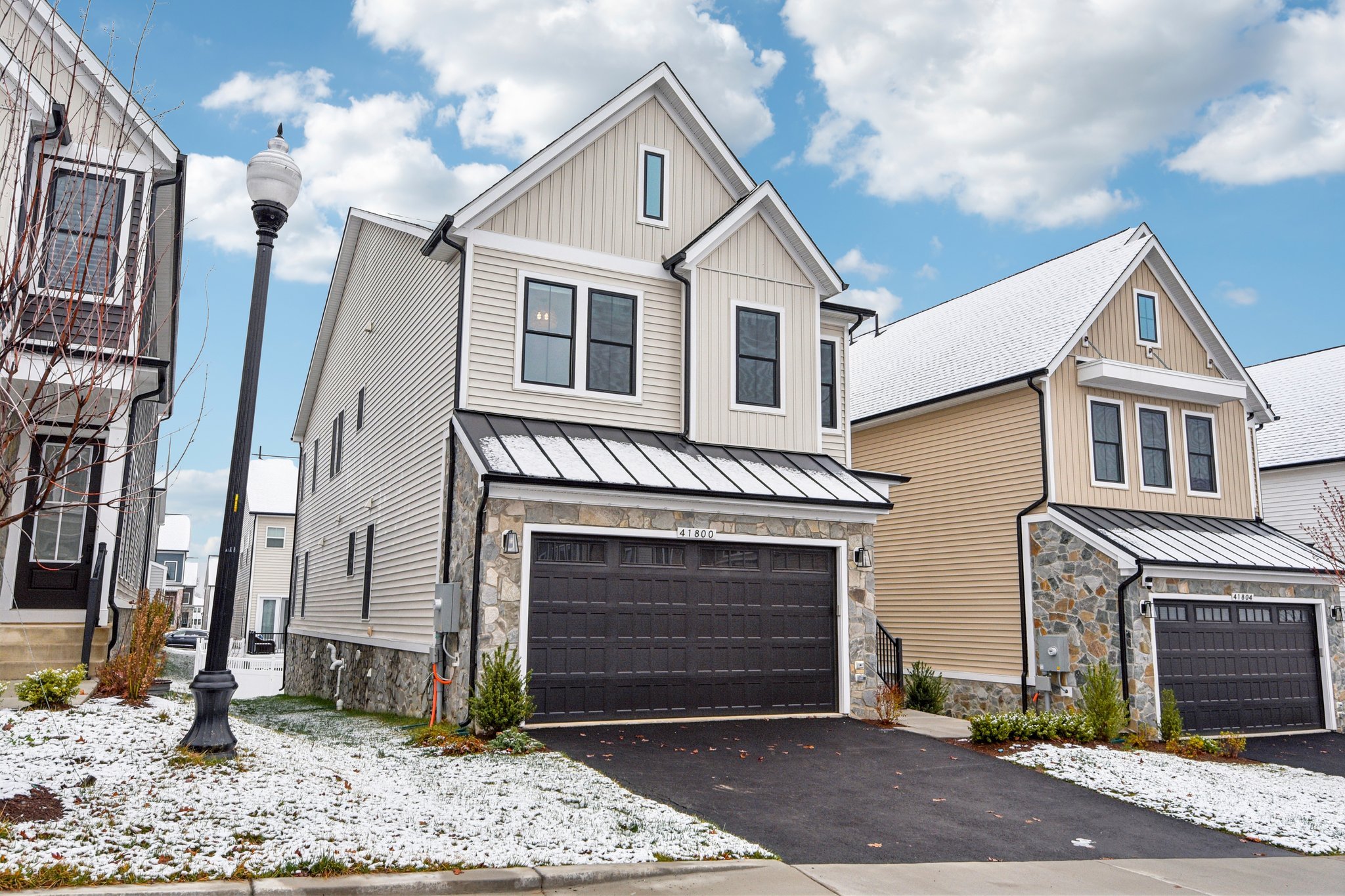
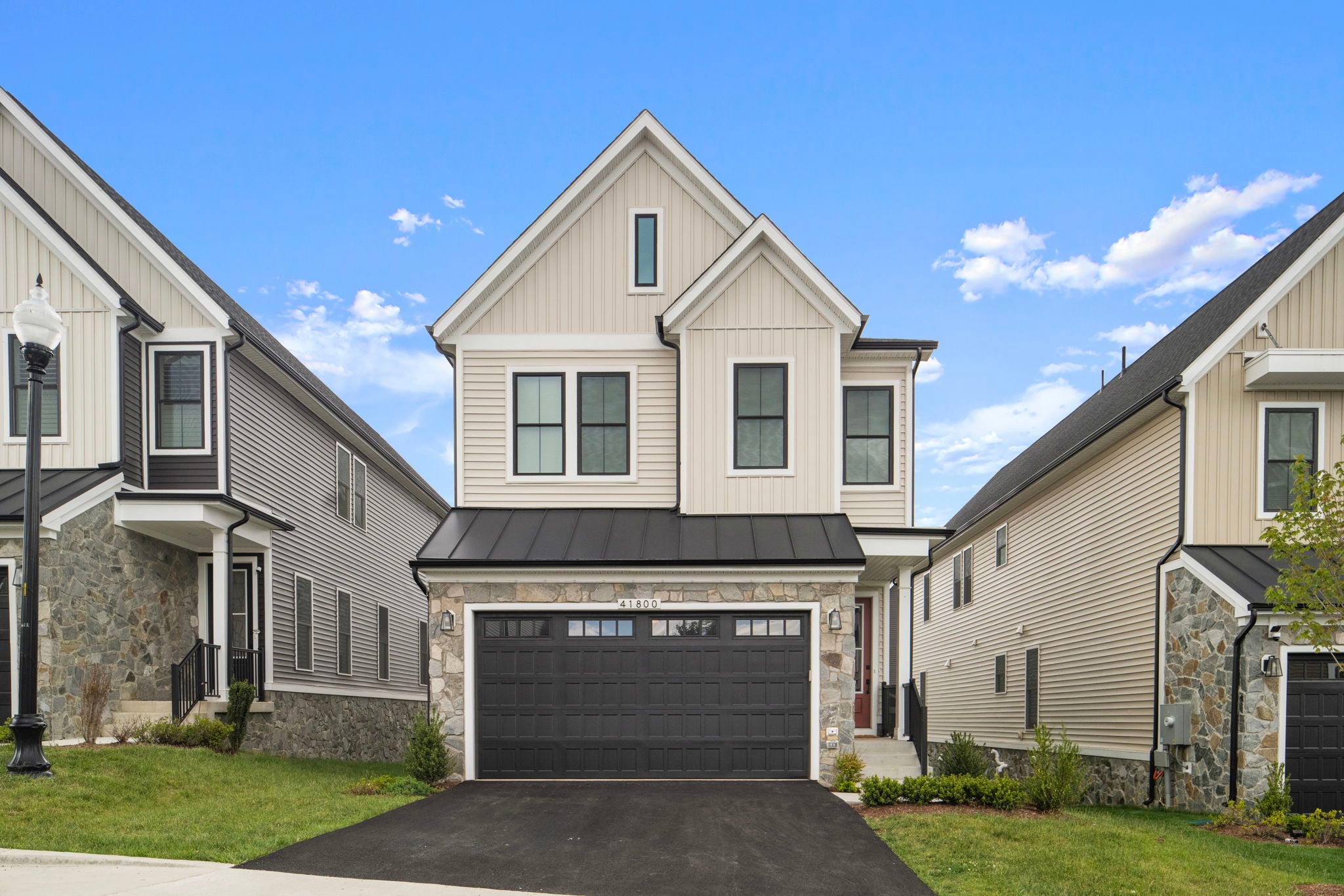
We also made offers on two new construction homes, one with a production builder in Loudoun County and one custom build luxury home in McLean. The key point here is that buyers often have more leverage than they realize.
There is a lot of inventory and a lot of choice. Production builders are negotiating more than ever, offering meaningful concessions, flexible timelines, and full buyer agent commissions. In both cases, the builders made significant concessions and moved much closer to our numbers than their initial pricing suggested. Deals are still available if buyers negotiate correctly.
McLean is a good example of the supply issue. There are about 56 new build homes on the market, but only 2 have settled in the last 30 days and only 4 are currently under contract. That is enough inventory to create real downward pressure on pricing and incentives, especially as builders carry lots and ongoing costs. The buyers, with 6-12 month build times are taking on risk, and need to proceed with caution. Still a buyers market in the upper price points.
In Loudoun, the dynamic is similar in a different form. Townhome communities are widespread, inventory is abundant, and buyers have options. The leverage is real if you approach it correctly.
A Long-Stagnant DC Condo Finally Moved
Finally, we received an offer on a DC condo listing that had been on the market for over six months, with two price reductions. We saw a clear uptick in traffic when rates dropped at the beginning of the year, and that activity finally produced an offer.
We are currently negotiating and I’m confident we are close to getting it done.
Bottom Line
No two markets are the same right now, even within the same zip code. Some homes still demand aggressive terms and fast decisions, while other segments are clearly buyer-friendly with real leverage and negotiable pricing.
The mistake is assuming everything is competitive. It isn’t. Preparation still matters, but so does knowing when to be aggressive and when to slow down and negotiate. In a market this choppy and headline-driven, the winners are the buyers and sellers who stay objective and adjust to what the specific property is actually doing, not what the news says the market is doing.