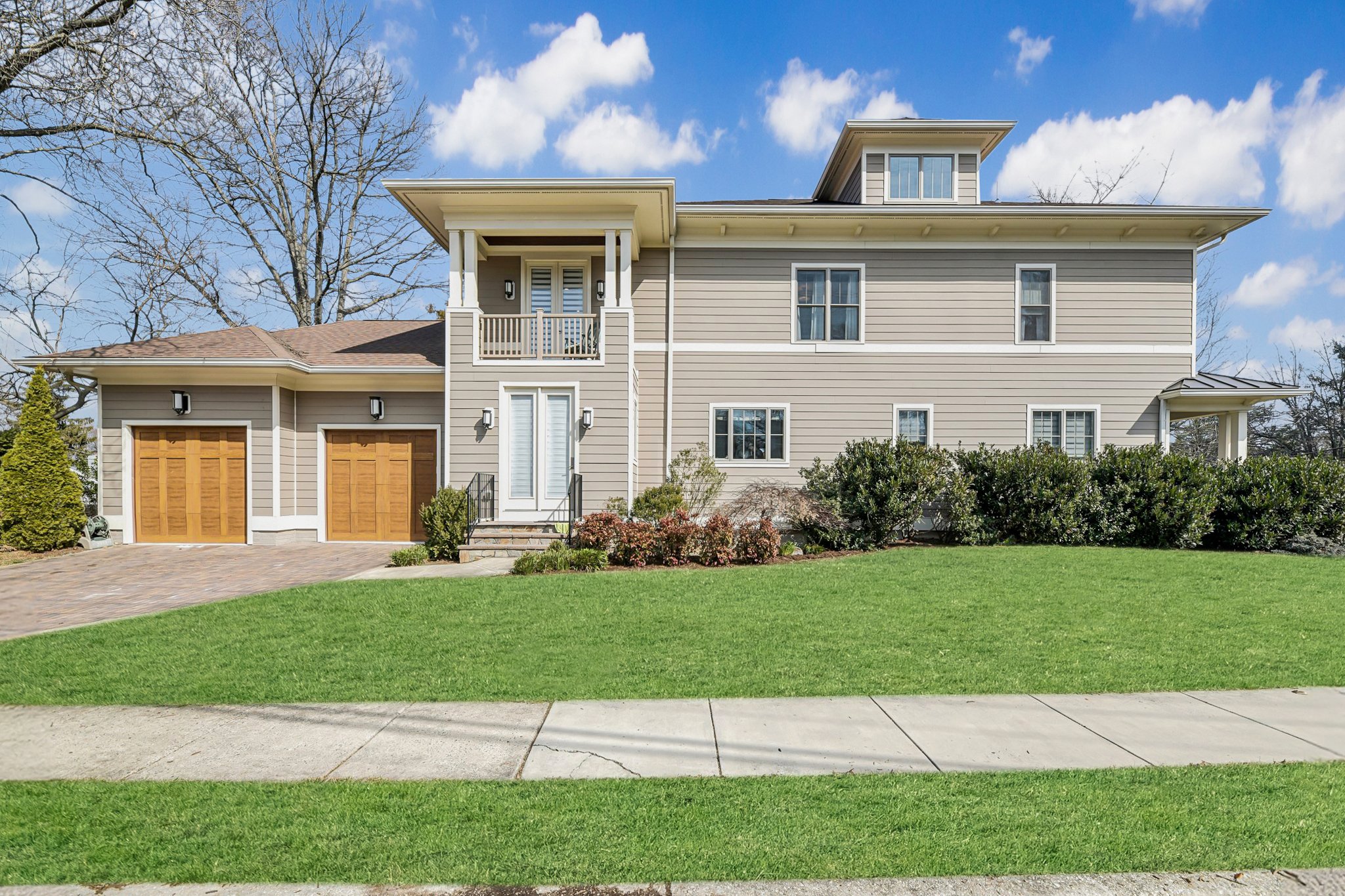
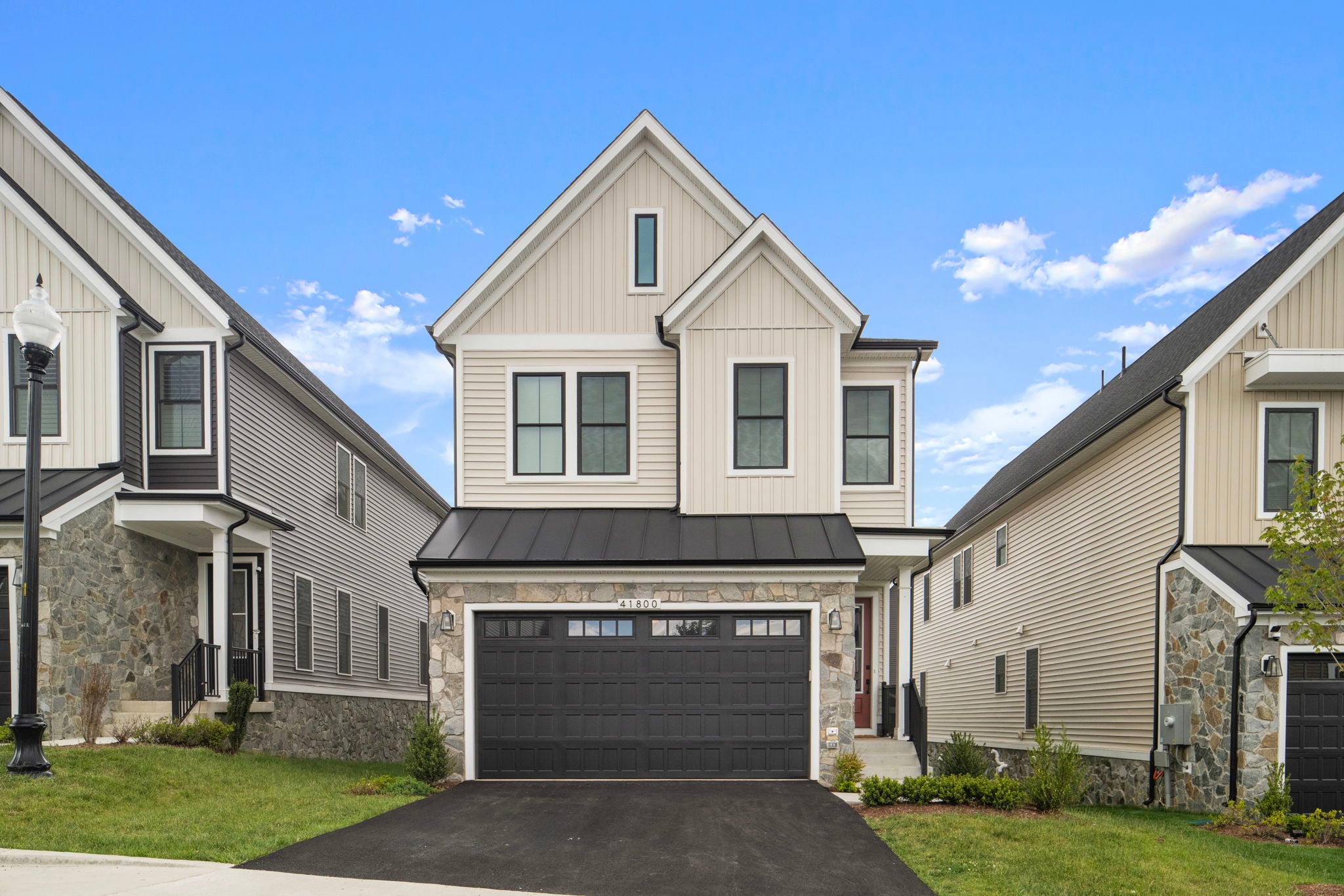
Coming into April, the housing market felt like it was stuck in neutral. Things were moving, but barely. There was activity, but not the kind that makes you feel like spring has actually arrived. It wasn’t weak, though—and that’s where people get it wrong. If you’ve been following along, you probably remember the “30 contracts in 30 days” stretch. Sounds impressive on the surface, but the reality underneath it was a lot less balanced. That was really 30 buyers fighting over maybe 6 or 7 homes. That’s not a healthy market. That’s a pressure cooker. It works great if you’re a seller, at least until you turn around and have to become a buyer yourself.
NAR Chief Cutting Housing Forecast in Half
Going into April, the headlines were overwhelmingly negative when it came to home sales. Fewer homes selling, slower pace, all of it. Most people saw that and immediately jumped to the same conclusion: demand must be falling off. What we were actually dealing with was a quality supply problem. There just weren’t enough good homes hitting the market. Buyers weren’t disappearing, they just didn’t have anything worth chasing.
It got pessimistic enough that even the NAR Chief Economist cut his 2026 forecast for existing home sales growth from 14% down to 4%. The logic was straightforward and, frankly, a little lazy. Demand might still be there, but inventory wasn’t going to show up to meet it.
That assumption is starting to look wrong.
Over the last two weeks, there’s been a clear shift. Listings are picking up, activity is building, and the spring market albeit delayed as it may have been, has arrived.
A Market That Depends on Where You Sit
Right now, you can find data to support just about any narrative you want. Headlines lean negative, but if you look closely enough, not so much the data. Inventory is up 10% across the Northeast which has been the most starved market nationwide while prices, at least asking prices, have stayed mostly flat, which is encouraging to buyers.
This is not one clean, unified market. It’s a patchwork of very different submarkets, all moving at their own pace.
Take entry-level condos across the Northern Virginia suburbs. Just a few months ago, those were completely dead. Listings would sit, barely get showings, and sellers had no real leverage. Now, it’s a different story. Activity is picking up, buyers are showing up, and offers are starting to come in. It’s not a frenzy, but it’s real movement—and for those sellers, it’s a meaningful shift from where things were.
At the same time, you’ve got the opposite happening at the higher end. Luxury new construction is starting to pile up. More inventory, longer days on market, and buyers who are in no rush to make decisions. If anything, builders look like they may have overcorrected. Pricing keeps creeping up, usually justified by inflation and rising costs, but the market isn’t just blindly accepting it anymore. Buyers at that level are pushing back, and it shows in how long some of these homes are sitting.
The "New Homeowner Penalty"
A phrase that’s been floating around more lately is the“new homeowner penalty,” and it’s pretty accurate. It describes buyers who tried to be patient over the last few years and ended up getting punished for it—either with higher prices, higher rates, or both. And if anything, that dynamic feels even more pronounced this year than it did before.
One of the biggest shifts right now is on the buyer side, and it’s a bit of a mixed bag. Last year, there was real opportunity in the market, but the backdrop mattered. Between DOGE, layoffs, a shaky stock market, higher rates, and barely any inventory, a lot of buyers just checked out. They didn’t disappear, they just sat on the sidelines.
Now it’s almost the opposite. You made it through that stretch, rates have eased a bit, and for the first time in a while, you actually have choices.
Buyers had gotten used to a starved market. One or two decent homes a week, if that. That was normal. Now you can go into a weekend and see multiple homes that could realistically work. That’s a real shift.
At the same time, the offer environment has settled down. This time last year, some listings struggled to get one serious buyer. Then Q1 hit and things got overheated fast, with 5 to 10 offers becoming common in certain segments. Now it’s more measured. The “hot” homes are still getting multiple offers, but it’s usually 2 or 3, not a dozen. Those blowout situations still happen, but buyers are more spread out.
For buyers, that’s a real opening. It’s no longer a lottery. For sellers, there’s still competition, just without the chaos. And it means the old strategy of underpricing and hoping for a bidding war isn’t as reliable as it used to be.
The Data Is Starting to Confirm It
If you zoom out, the broader numbers are finally aligning with what we’re seeing locally.
After a choppy March, April is showing real signs of life:
- Pending sales just hit 96,000, the highest weekly level since 2022
- The 4-week average is now growing year-over-year for the first time this year
- Inventory climbed to 990,000 homes, up 4% year-over-year
- New listings reached 102,000 in a single week—the most since 2022
Even with that growth, inventory is still about 12% below 2019 levels. So while things are improving, we’re not dealing with an oversupplied market.
Where Competition Is Still Real and Where It’s Not
Not all competition is created equal right now.
Entry-level homes remain the most competitive segment. Multiple offers, quick timelines, and aggressive terms are still very much in play.
The move-up market is active, but buyers are more selective. They’re willing to wait. They’re less forgiving on condition and pricing and given more choices and flat prices, and the fact they waited this long, they have more patience. Plus the new owner penalty is not appealing!
At the top end of the market, especially north of $2 million, it’s entirely deal-by-deal. Some homes move quickly. Others sit. There’s no blanket trend you can rely on.
What’s consistent across all of it is this: pricing discipline matters more now than it did a few years ago. You can’t just list and expect the market to bail you out.
What This Actually Means
The spring market is here. Just not in the way people expected just a few weeks ago.Inventory is rising. Buyers are re-engaging. Competition is becoming more rational.
If you’re a buyer, you finally have a window where you can be strategic without being completely outgunned.
If you’re a seller, you still have leverage but only if you price and position your home correctly.
For anyone paying attention, this is a far more workable environment than what we’ve seen in a while.